
Eiheiji Temple
大本山永平寺の概要
Culture · Eiheiji · Fukui · Japan

About this place
Eiheiji Temple is one of Japan’s two head temples of the Sōtō school of Zen Buddhism.
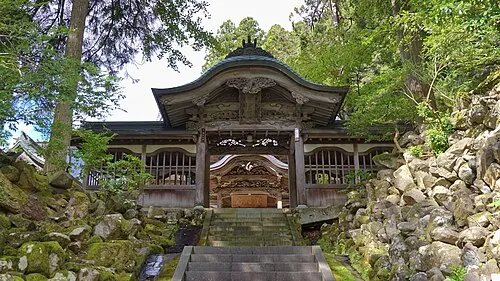
Eiheiji Temple is one of Japan’s two head temples of the Sōtō school of Zen Buddhism. Since its establishment by Zen Master Dōgen (1200–1253) in 1244, Eiheiji has been the foremost temple of the Sōtō school in Japan and a place of pure Zen practice. The temple still operates just as it did centuries ago, and dozens of monks live and practice there.
In 1227, Dōgen returned to Japan from China, where he had spent some years studying and practicing under Zen Master Nyojō (Ch. Rujing; 1163–1228). For several years after his return, Dōgen lived in the region around Kyoto, where he founded Kōshōji Temple and wrote a treatise on the correct form of zazen (seated Zen practice) titled Fukan zazengi (Universally Recommended Instructions for Zazen). In 1243, Dōgen moved to Echizen Province (now Fukui Prefecture) at the invitation of Hatano Yoshishige, a samurai who was lord of Echizen at the time. It was there that Dōgen would eventually found Eiheiji Temple.
Dōgen was motivated to leave the capital by Master Nyojō’s dying words: “Do not live among the crowds of a town, but rather stay in a glen deep in the mountains, receiving very few people, and work to continue our true teachings.” Dōgen spent his first year in Echizen practicing zazen at Kippōji Temple, where he preached and composed some of his lectures and commentaries on Zen practice and Buddhist teaching that would later be collected under the title Shōbōgenzō (Treasury of the True Dharma Eye). After a year at Kippōji, Dōgen established Eiheiji Temple in the same area.
This English-language text was created by the Japan Tourism Agency.