
Moriminashi Hachiman Shrine
森水無八幡神社
Culture · Gero · Gifu · Japan

About this place
Moriminashi Hachiman Shrine is believed to have been founded during the reign of Emperor Nintoku in the fourth century CE.
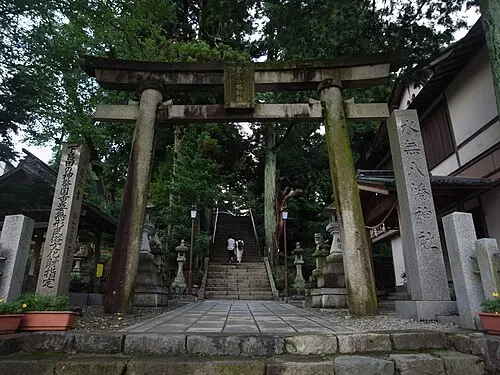
Moriminashi Hachiman Shrine is believed to have been founded during the reign of Emperor Nintoku in the fourth century CE. It enshrines Hachiman, a deity of archery and war. The shrine has several cultural treasures including a set of carved wood statuettes from the twelfth century. Numerous old-growth cedars grow on the grounds as symbols of the shrine’s long history.
The shrine is the main venue of the Tanokami Festival, an annual citywide celebration of thanks to the deities of the fields (tanokami). Every February 14, dancers, devotees, and spectators gather at the shrine to pay homage to the traditions of Gero’s agricultural past through dances and rituals.
One of the most treasured possessions held by the shrine is a set of wooden figurines that were carved by artisans from Hida Province (present-day Gifu Prefecture) in the twelfth century. These ten statuettes depict various deities and range from 30 to 60 centimeters in height. They are only displayed during festivals and on New Year’s Eve. The statuettes are designated an Important Cultural Property.
A mikoshi, or sacred palanquin used for Shinto festivals, is stored near the main hall of the shrine. The mikoshi was transported from Kyoto during the Edo period (1603–1867). It weighs around 600 kilograms, and 16 people are needed to carry it.
This English-language text was created by the Japan Tourism Agency.