
Fukunaga Shrine
福長神社
Culture · Kamigyo-ku, Kyoto · Kyoto · Japan

About this place
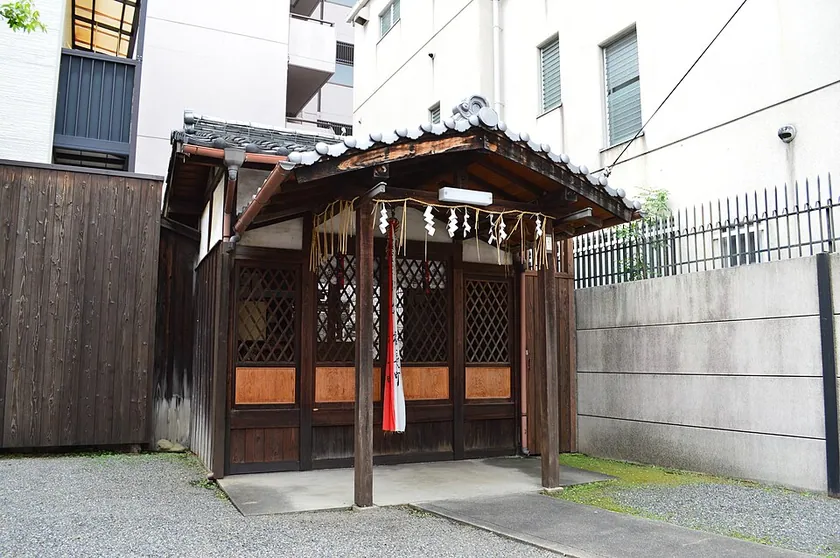
In a small residential lane east of Muromachi Street, two deities once charged with safeguarding palace wells now watch over the neighborhood’s water. The shrine’s modest size records a change in Kyoto’s streetscape.
Fukunaga Shrine is a small Shinto sanctuary tucked away in a residential neighborhood just east of Muromachi street. Its history goes back to the Heian period (794–1185), when five deities were enshrined within the inner part of the imperial palace to protect various parts of the complex.
Two of these deities, Sakui and Tsunagai, were guardians of water in general and wells in particular. They are thought to have been moved to a shrine of their own—this one—at some point during the sixteenth century. Fukunaga Shrine is depicted in Scenes in and around the Capital, a famous folding-screen painting by Kano Eitoku (1543–1590) that portrays central Kyoto from a bird’s-eye perspective.
Fukunaga Shrine originally stood on spacious grounds that were reduced to their current size after much of the city burned down in a fire in 1788. The shrine now watches over the wells of its quiet neighborhood, rather than the wellbeing of the imperial family.
What to look for
A sixteenth-century painted panorama by Kano Eitoku depicts the shrine before the great fire of 1788 reduced its grounds.
Its two guardians, Sakui and Tsunagai, originally belonged to a group of five deities protecting different parts of the imperial palace.
Plan your visit
- Getting there
- From Imadegawa subway station, go west to Muromachi-dori, then south. Look on the east side of Muromachi just below Mushakoji-dori, at 538 Fukunagacho.
Visitor sources
Visitor information checked