
Kosanji Temple
高山寺
Culture · Ukyo-ku, Kyoto · Kyoto · Japan

About this place
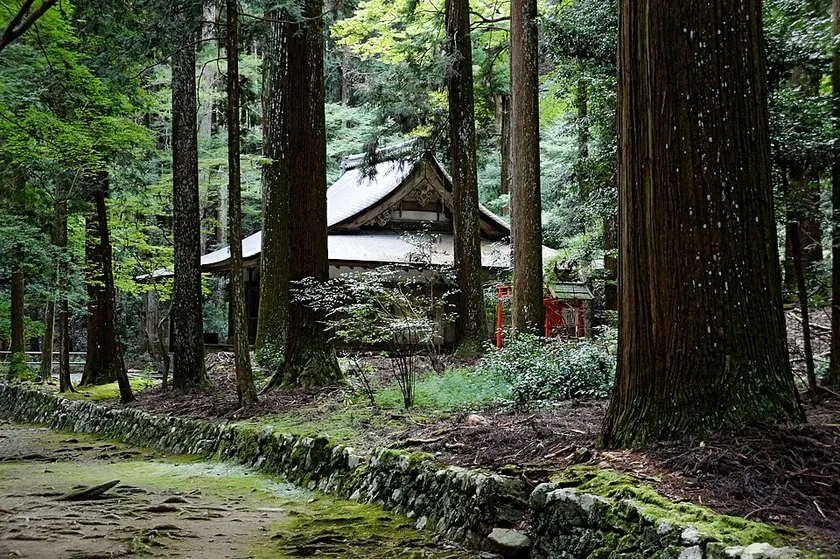
In the wooded hills of Takao, the monk Myoe established Kosanji as a center for Buddhist study in 1206. The name also appears as Kozanji. A tea plot is still harvested here in memory of Myoe’s early cultivation of tea.
The mountainous Takao area in the northern part of Kyoto has long been associated with asceticism. Temples were established in the area as early as the eighth century, but fell into disuse by the twelfth century. Buddhism was revived in earnest in 1206, when the Emperor instructed the highly influential priest Myoe (1173–1232) to establish a temple. Its name, Kosanji, or “high-mountain temple,” was inspired by a passage in the Flower Garland Sutra, an important scripture for Kegon Buddhism. The temple is popularly pronounced “Kozanji,” but the official pronunciation is Kosanji.
Kosanji became known as a temple of learning due to Myoe’s dedication to Buddhist study and practice. He was also a lover of the arts, and frequently invited distinguished artists and intellects to the temple. The rich milieu he cultivated lives on in many treasures passed down from the Heian period (794–1185), a time when art and literature flourished, and the Kamakura period (1185–1333), notable for the spread of new Buddhist thought in Japan. Many of the paintings, statues, and documents at the temple survived devastating fires in the sixteenth century and are still in excellent condition.
What to look for
The Sekisui-in is a rare surviving example of Kamakura-period residential architecture. Its rooms give the temple a more intimate scale.
The famous scrolls depict animals behaving like people. The temple shows reproductions, while the originals are held at the national museums in Kyoto and Tokyo.
Plan your visit
- Opening hours
- 8:30 am–5 pm.
- Admission
- The grounds are free outside the autumn fee period. In autumn, grounds admission is ¥500. Entering Sekisui-in costs a separate ¥800.
- Getting there
- From Kyoto Station, take a JR bus on the Takao–Keihoku route to the Toganoo stop.
Visitor sources
Visitor information checked