
Kyoto City Archaeological Museum
京都市考古資料館
Museum · Kamigyo-ku, Kyoto · Kyoto · Japan

About this place
Objects dug up beneath Kyoto tell the city’s story here, from the Stone Age through the modern city. Pots, everyday tools and traces of dwellings show the lives behind the more familiar palace and temple histories.
The Kyoto City Archaeological Museum is the main museum in Kyoto focusing on the history of this ancient city and former capital of Japan. It displays artefacts from the Stone Age to the twentieth century, excavated from sites throughout the city.
The museum’s vast collection includes pottery, stone and metal utensils, remains of ancient dwellings, wooden tools, and more. A selection of these items is displayed in the permanent exhibition on the second floor, while the gallery on the first floor is used for special exhibitions, of which there are at least three every year.
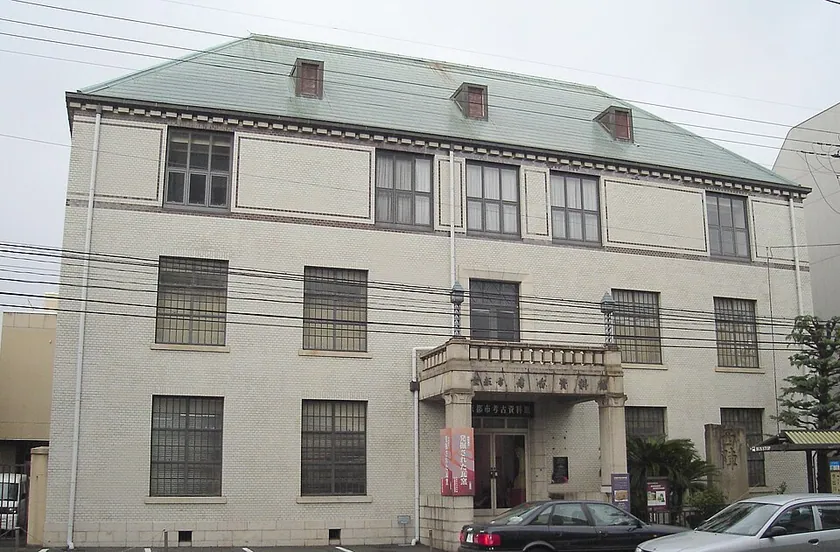
The museum building dates from 1914 and was designed by architect Motono Seigo (1882–1944) to be a place for displaying and promoting Nishijin-ori textiles, for which the surrounding neighborhood has long been famous. The building was converted into an archaeological museum in 1979 and is now a registered Tangible Cultural Property of the city of Kyoto.
What to look for
The upstairs collection follows Kyoto’s archaeological history. The downstairs gallery hosts changing exhibitions.
The building is itself an exhibit of sorts. Architect Motono Seigo designed it in 1914 as a showroom for the surrounding Nishijin district’s woven textiles.
Plan your visit
- Opening hours
- 9 am–5 pm, last entry 4:30 pm. Closed Mondays, or the following day when Monday is a holiday, and December 28–January 3.
- Admission
- Free admission.
- Getting there
- From Kyoto Station, take city bus 9 to Horikawa-Imadegawa and walk west for two minutes. The Imadegawa-Omiya stop is beside the museum.
Visitor sources
Visitor information checked