
Oharano Jinja Shrine
大原野神社
Culture · Nishikyo-ku, Kyoto · Kyoto · Japan

About this place
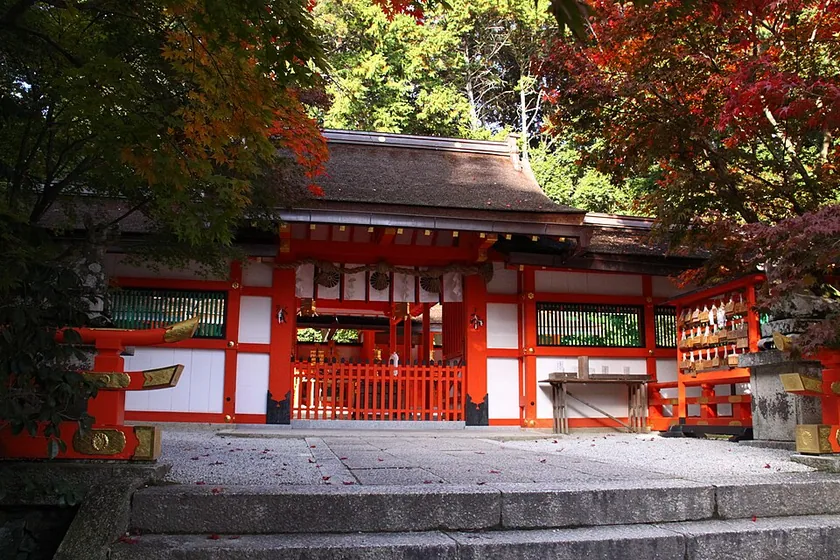
At Oharano Jinja, the deer are a clue to the shrine’s origins. Worship of the Kasuga deity was brought here from Nara when the imperial capital moved in 784.
Oharano Jinja Shrine is also called the “Kasuga Shrine of Kyoto” due to its historical connection to the famous Kasuga Taisha Shrine in Nara. The deity worshipped at Kasuga shrines is Kasuga Daimyojin, who is traditionally depicted riding a white deer. Oharano Shrine is known for its deer-themed items, including statuary, amulets, and votive tablets. The grounds are a popular spot for viewing cherry blossoms, irises, water lilies, and maple leaves. Two teahouses, one along the entrance path and one near the parking lot outside the first torii gate, offer traditional mugwort sweets to enjoy as a light snack after the shrine visit or to take home.
There are many Kasuga shrines across the country. Among them, Oharano Shrine is considered the first to have been established by ritually welcoming the deity Kasuga Daimyojin from Kasuga Taisha, the head shrine. In 784, the capital of Japan was moved from Heijokyo (present-day Nara) to Nagaokakyo. Oharano Shrine was built by the noble Fujiwara family for Kasuga Daimyojin, their guardian deity, at a site chosen for its proximity to the new seat of government. The Fujiwara family was extremely influential at court for centuries: many of the men held high-ranking positions, and many of the women became empresses or imperial consorts. Much like at Kasuga Taisha Shrine, prayers were offered at Oharano Shrine for the country’s peace and prosperity. The shrine continued to fulfill this role even after the capital was moved to Heiankyo (present-day Kyoto) in 794.
What to look for
Beside the approach, water pours from a bronze deer into the purification basin. Deer also guard the sanctuary.
Detour to Koisawa Pond for its red bridge and the fenced weeping cherry nearby, then continue to the main sanctuary and its four shrine halls.
Plan your visit
- Admission
- Entry to the grounds is free.
- Getting there
- From Minami-Kasugacho bus stop, walk about ten minutes to the shrine.
- Visiting tip
- The approach is accessible to a wheelchair user with a companion as far as the steps in front of the main sanctuary.
Visitor sources
Visitor information checked