
Orinasukan Museum
手織ミュージアム織成舘
Museum · Kamigyo-ku, Kyoto · Kyoto · Japan

About this place
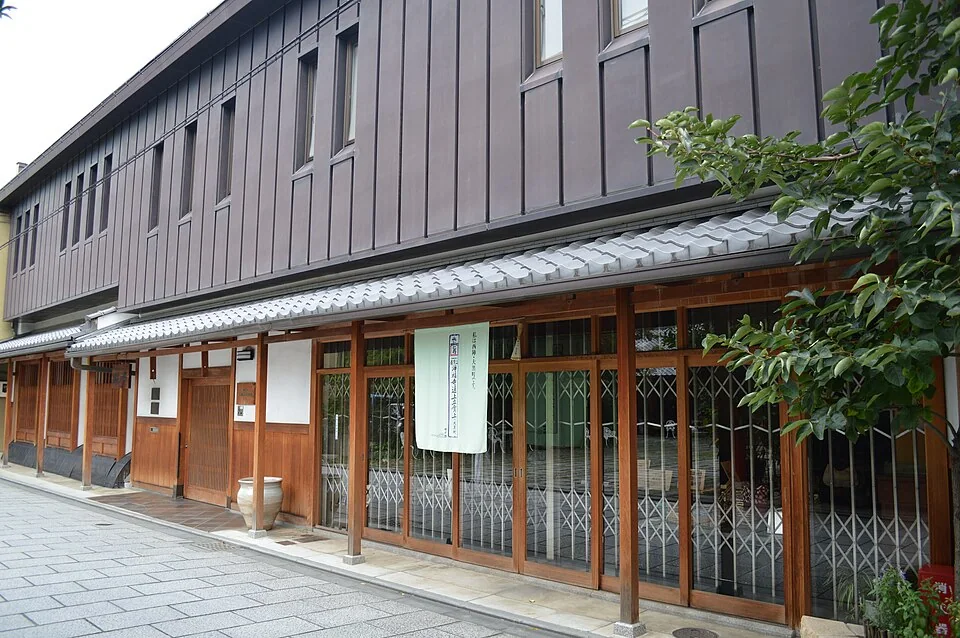
In a former textile merchant’s house, Orinasukan explains what made Nishijin weaving so highly prized. The collection ranges from obi sashes to reproductions of Noh costumes made using traditional techniques.
Textiles have been produced in the area now known as Nishijin since at least the Heian period (794–1185), and the name Nishijin has been synonymous with high-quality textile craftsmanship since the sixteenth century.
At the Orinasukan Museum, which is housed in a traditional textile merchant’s home, visitors can learn about the rich history of Nishijin textiles and kimono culture in general. The collection includes woven textiles sourced from throughout Japan, with displays of roughly 400 pieces of traditional textiles, including kimonos and obi sashes, made between the late Edo period (1603–1867) and the late twentieth century. Also exhibited are reproductions of antique Noh costumes woven with traditional techniques.
On the second floor is a studio where artisans handweave silk textiles that can take months to complete. Tours are available to see how the traditional looms are used. Visitors who make a reservation in advance have the option of trying their own hands at weaving.
What to look for
Look at a woven costume beside an obi. The surface patterns come from the ordering of the threads as the cloth is made.
A working studio gives context to the finished pieces. A handwoven silk textile can keep a craftsperson at the loom for months.
Plan your visit
- Opening hours
- Tuesday–Sunday, 10am–4pm. Closed Mondays, including public holidays, and over the year-end break.
- Admission
- Adults ¥1,000. High school students ¥700.
- Getting there
- From Kyoto Station take city bus 206 to Senbon-Kamidachiuri, then walk east for about five minutes.
- Booking
- Reserve ahead for a hands-on weaving session. The museum closes on Mondays, including Monday holidays.
- Visiting tip
- Reserve ahead if you want to try hand weaving in addition to touring the museum.
Visitor sources
Visitor information checked