
Yukiguni Botanical Gardens
雪国植物園
Nature · Nagaoka · Niigata · Japan
About this place
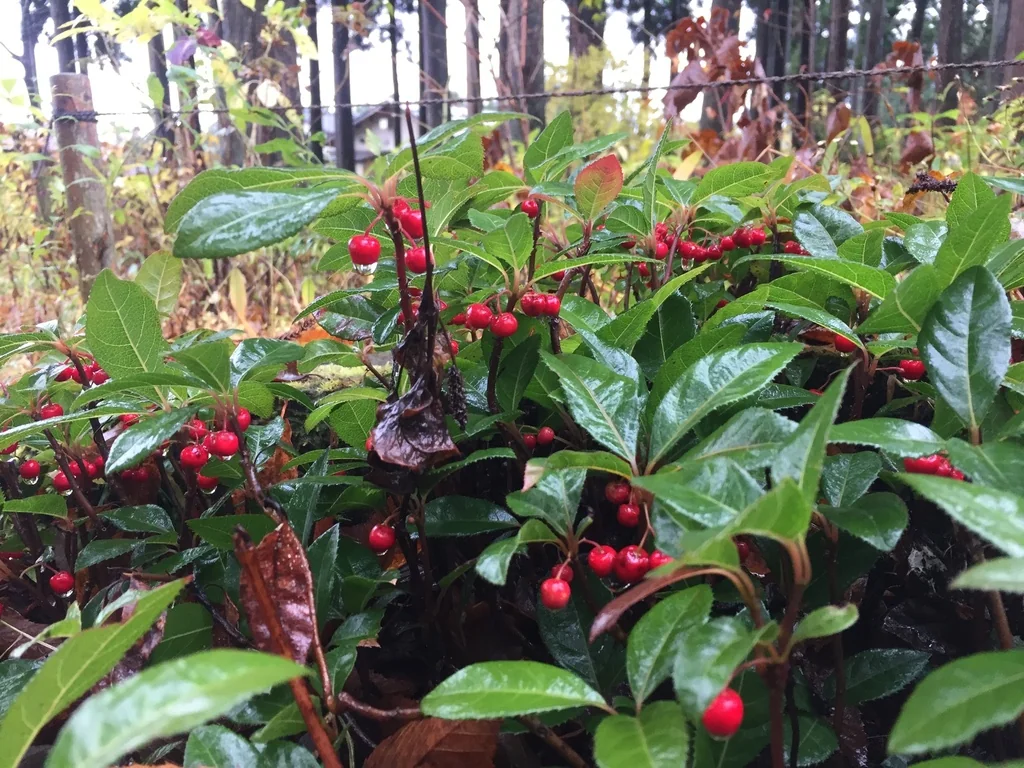
The Yukiguni (“Snow Country”) Botanical Gardens contain more than 850 species of plants native to the snow-heavy satoyama areas of Nagaoka.
The Yukiguni (“Snow Country”) Botanical Gardens contain more than 850 species of plants native to the snow-heavy satoyama areas of Nagaoka. Satoyama (literally “village mountains”) are areas in the foothills where people used to farm, forage, and gather firewood. The use of natural resources was carefully managed in a sustainable way that helped conserve local ecosystems. With the advance of technology and depopulation of rural areas, satoyama no longer play a part in people’s daily lives. Left alone, these delicate ecosystems revert to regular forestland, increasingly becoming overgrown and damaged by invasive species, which threatens their biodiversity. The Yukiguni Botanical Gardens are dedicated to preserving a balanced satoyama environment without any alpine, coastal, non-native, or ornamental plants.
Various native plants bloom in the gardens from spring to autumn. These include yukiwariso primrose (Hepatica nobilis var. japonica), dogtooth violet, mountain cherry, and rabbit-ear iris in spring; Ezo hydrangea, bellflower, silk tree, and several types of lilies in summer; and willow herb, red spider lily, Japanese beautyberry, gentian, and Japanese silverleaf (tsuwabuki) in autumn. Many birds, insects, and other animals can be seen throughout the year, including close to 80 species of birds, 45 species of butterflies, 40 species of dragonflies, and forest animals such as rabbits and tanuki raccoon dogs.
This English-language text was created by the Japan Tourism Agency.